Чем отличаются кастодиальные и некастодиальные криптокошельки?
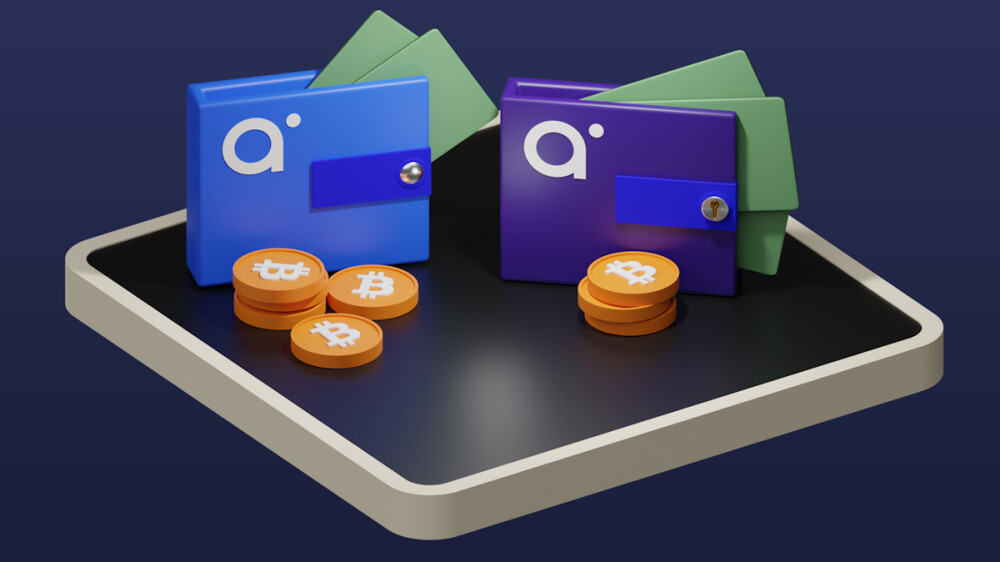


Когда речь заходит о хранении криптовалют, пользователям часто приходится выбирать между кастодиальными и некастодиальными криптокошельками. Эти два типа кошельков различаются по способу управления и хранения средств, а также уровню безопасности. В этом посте мы подробно рассмотрим, чем отличается кастодиальный кошелек от некастодиального, и поможем выбрать подходящий вариант для безопасного управления криптовалютами. Если вы используете сервисы, такие как E-change, важно понимать различия между кошельками, чтобы уверенно распоряжаться своими активами.
Что такое кастодиальный кошелек для криптовалюты?
Кастодиальный кошелек для криптовалюты — это кошелёк, в котором ответственность за хранение средств и управление ключами берёт на себя сторонняя платформа. Пользователь доверяет свои активы компании, которая предоставляет услугу хранения. В данном случае платформа хранит ваш приватный ключ и выполняет все транзакции от вашего имени. Это может быть удобным вариантом для тех, кто не хочет самостоятельно управлять безопасностью ключей.
Преимущества и недостатки кастодиальных кошельков
Преимущества кастодиальных кошельков:
- Простота использования. Такие кошельки идеальны для новичков, так как не требуют глубоких знаний о безопасности и управлении ключами.
- Поддержка и помощь. Платформы с кастодиальными кошельками обычно имеют службу поддержки, что удобно при возникновении вопросов или проблем с транзакциями.
- Защита от потери ключей. Поскольку ключи хранятся на платформе, риск их потери минимален для пользователя.
Недостатки кастодиальных кошельков:
- Зависимость от третьей стороны. Пользователи доверяют свои средства третьей стороне, что создаёт риск потери доступа в случае взлома платформы.
- Отсутствие полного контроля. Вы не имеете доступа к своему приватному ключу, и платформа может ограничивать доступ к средствам.
Некастодиальный кошелек: что это и как он работает?
Некастодиальный кошелек это тип кошелька, где полное управление средствами и приватными ключами остаётся у пользователя. Примеры некастодиальных кошельков включают такие популярные кошельки, как MetaMask, Trust Wallet и другие. С этими кошельками у вас всегда есть доступ к приватным ключам и сид-фразе, что даёт полный контроль над средствами. Это особенно полезно для опытных пользователей, которые предпочитают управлять своими активами самостоятельно.
Преимущества и недостатки некастодиальных кошельков
Преимущества некастодиальных кошельков:
- Полный контроль. Вы имеете полный доступ к своему приватному ключу, что делает вас единственным владельцем средств.
- Увеличенная безопасность. Поскольку ваши активы не хранятся на централизованной платформе, риск потери средств из-за взлома или блокировки аккаунта минимален.
Недостатки некастодиальных кошельков:
- Риск потери ключей. Если вы потеряете свою сид-фразу или приватный ключ, восстановить доступ к кошельку будет невозможно.
- Необходимость заботы о безопасности. Поскольку безопасность полностью зависит от пользователя, важно соблюдать меры предосторожности и надёжно хранить свои ключи.
Какой кошелёк выбрать?

Если вы хотите хранить свои средства в безопасности и сами управлять доступом, некастодиальный кошелек для криптовалюты станет оптимальным выбором. Однако, если вам важно удобство и минимальные технические задачи, кастодиальный кошелёк может оказаться более подходящим вариантом. Прежде чем принять решение, стоит задать себе несколько вопросов: готовы ли вы сами заботиться о безопасности ключей? Предпочитаете ли вы пользоваться поддержкой платформы?
С помощью E-change пользователи могут легко обменивать криптовалюты независимо от типа кошелька, что позволяет гибко распоряжаться активами в зависимости от потребностей и уровня опыта.
Как вывести средства с некастодиального кошелька?
Если вы хотите провести транзакцию через некастодиальный кошелек, вам нужно иметь доступ к своему приватному ключу или сид-фразе. Как вывести с некастодиального кошелька:
- Откройте приложение вашего кошелька, например, Trust Wallet или MetaMask.
- Введите адрес назначения для перевода, например, адрес кошелька на платформе E-change.
- Подтвердите транзакцию, указав сумму и подтвердив отправку через ваш приватный ключ.
Пользователи платформы E-change могут воспользоваться некастодиальными кошельками для отправки и получения криптовалют, что обеспечивает высокую безопасность и гибкость при операциях.
Ключевые различия между кастодиальными и некастодиальными кошельками
Итак, чем отличается кастодиальный кошелек от некастодиального? Основные различия заключаются в доступе к приватным ключам и уровне контроля над средствами. Кастодиальные кошельки удобны и просты, так как управление ключами осуществляется платформой, но они менее безопасны для крупных сумм. Некастодиальные кошельки, напротив, обеспечивают максимальный контроль и безопасность, но требуют от пользователя внимательного отношения к защите ключей.
Заключение
Выбор между кастодиальными и некастодиальными кошельками зависит от ваших целей, уровня опыта и предпочтений в области безопасности. Кастодиальные кошельки удобны для тех, кто предпочитает доверять управление платформе, тогда как некастодиальные кошельки идеальны для пользователей, ценящих полный контроль над своими средствами. Платформа E-change поддерживает оба типа кошельков, что позволяет каждому пользователю выбрать оптимальное решение для своих потребностей и уверенно обменивать криптовалюты.
Понимание, какие кошельки кастодиальные, а какие — некастодиальные, поможет вам сделать осознанный выбор и управлять активами безопасно и удобно.
