Что такое аппаратный кошелек и как он работает?
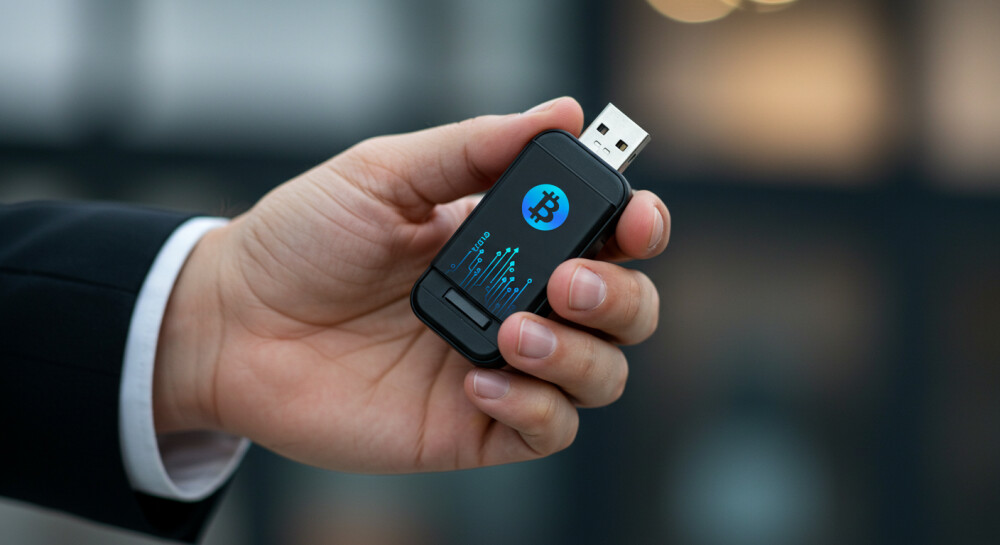


Современный мир криптовалют выглядит крайне привлекательно для инвесторов и энтузиастов, ведь здесь можно покупать, продавать и обменивать цифровые активы буквально в несколько кликов. Однако при всей этой доступности на первый план выходит тема безопасности. Пока вы изучаете курсы популярных монет и пользуетесь сервисом E-change для обмена криптовалюты, стоит подумать о том, где эти монеты будут храниться. Если вы хотите максимально защитить свои средства, вам подойдёт так называемый холодный кошелек, а точнее – аппаратный кошелек. В этой статье мы разберёмся, аппаратный кошелек это что такое, какими преимуществами он обладает и как его правильно использовать.
Аппаратный кошелек это надёжная защита для ваших цифровых монет
Начнём с определения: аппаратный кошелек - это специальное физическое устройство, которое отвечает за хранение ваших приватных ключей (данных, дающих доступ к криптовалюте) в режиме офлайн. По форме и размеру он часто напоминает обычную USB-флешку. Многие называют его “крипто флешка” или “флешка для криптовалюты”, ведь он действительно похож на привычный нам накопитель, только с дополнительными функциями безопасности.
Почему аппаратный кошелек надёжнее “горячих” решений?
В криптомире все решения для хранения условно делятся на горячие и холодные кошельки.
- Горячие – это онлайн-сервисы (биржи, веб-кошельки, мобильные приложения), которые постоянно подключены к интернету.
- Холодные кошельки для криптовалюты – решения, не имеющие постоянного соединения с сетью, благодаря чему снижается риск взлома.
Аппаратный кошелек относится именно к “холодным” инструментам, так как его основная задача – изолировать приватные ключи от потенциальных злоумышленников в интернете.
Как работает физический криптокошелек и в чём его особенность?
Сегодня на рынке представлено множество брендов, предлагающих аппаратный кошелек для криптовалюты: Ledger, Trezor, KeepKey и другие. Несмотря на разные бренды, принцип работы у всех примерно одинаков.
- Изолированное хранение ключей
Когда вы генерируете кошелёк, он создаёт приватные ключи и хранит их внутри устройства. Это даёт уверенность, что даже если ваш компьютер заражён вирусом, злоумышленник не сможет добраться до приватных ключей, пока устройство не подключено. - Подписание транзакций внутри устройства
Чтобы отправить криптовалюту, вам нужно подключить кошелек к компьютеру или смартфону, используя кабель или Bluetooth (в зависимости от модели). Транзакция формируется в программном обеспечении, но её подтверждение («подпись») происходит непосредственно внутри кошелька. Так приватные ключи никогда не покидают устройство. - Кодовая фраза (PIN) и мнемоническая фраза (Seed-phrase)
Чтобы получить доступ к девайсу, вы вводите PIN-код. При инициализации также генерируется сид-фраза (обычно из 12, 18 или 24 слов). Она нужна для полного восстановления кошелька в случае потери или поломки. Хранить эту фразу нужно максимально надёжно, лучше на бумаге и в нецифровом виде.
.png)
Холодные кошельки для криптовалюты: в чём плюсы и минусы аппаратных решений?
Аппаратный кошелек – это не единственный вариант холодного хранения, ведь существуют и бумажные кошельки, а также USB-накопители с зашифрованными данными. Тем не менее, именно крипто кошелек холодный типа Ledger или Trezor предлагает удобство и безопасность в одной «коробке». Давайте посмотрим на плюсы и минусы подробнее.
Преимущества
- Максимальная защита от взлома: Ваши приватные ключи не находятся в постоянном доступе к сети.
- Удобство использования: Простое подключение к компьютеру или телефону, есть фирменное ПО для управления активами.
- Поддержка многих монет: Аппаратные кошельки обычно работают с биткоинами, эфиром, и множеством альткоинов.
- Встроенные меры безопасности: PIN-код, сид-фраза, дополнительная парольная фраза – всё это усложняет жизнь злоумышленникам.
Недостатки
- Стоимость: Хороший физический криптокошелек стоит денег (от 3–4 тысяч рублей до нескольких десятков тысяч, в зависимости от модели).
- Физические риски: Можно потерять или сломать устройство. Если при этом вы не сохранили сид-фразу, восстановить доступ к криптовалюте не получится.
- Время на освоение: Придётся потратить немного усилий, чтобы разобраться с установкой и управлением, хотя для большинства пользователей это вполне посильная задача.
Горячие и холодные кошельки: можно ли обойтись одним видом?
Многие спрашивают: «Зачем нужен крипто кошелек холодный, если есть горячий?» или наоборот. На самом деле, у каждой стратегии есть своё применение.
- Горячие кошельки отлично подходят для ежедневных транзакций, быстрого обмена и покупки криптовалют, скажем, через сервис E-change. Они удобны, но несут больше рисков, поскольку подключены к интернету.
- Холодные кошельки идеальны, если вы собираетесь хранить крупные суммы или просто не планируете часто совершать переводы и хотите обеспечить активам максимальную безопасность.
Оптимальный вариант для многих инвесторов – совмещать оба подхода. Держите небольшие суммы (или активы для быстрого трейдинга) в горячих кошельках, а основную часть капитала сохраняйте в аппаратном кошельке, чтобы обезопасить себя от возможных кибератак.
Когда вы приобретаете криптовалюту с помощью сервиса E-change, встаёт вопрос, куда отправить купленные монеты. Здесь на сцену выходит ваш физический криптокошелек – вы можете указать его адрес для зачисления средств.
- Создайте или откройте свой аппаратный кошелек: Если вы только приобрели устройство, следуйте инструкциям по настройке и получите адрес для приёма монет.
- Зайдите на сайт E-change: Выберите направление обмена, к примеру, рубли → биткоин (или любая другая монета).
- Укажите адрес аппарата: В поле «Адрес кошелька» введите сгенерированный кошельком адрес.
- Подтвердите операцию: Оплатите заявку и дождитесь завершения транзакции. Через несколько минут (в зависимости от загруженности сети) криптовалюта появится на вашем холодном кошельке.
Таким образом, синергия обмена криптовалют через E-change и использования аппаратного кошелька даёт вам удобство и безопасность: вы быстро покупаете или продаёте активы и храните их в устройстве, защищённом от онлайн-угроз.
Короткая инструкция по выбору аппаратного кошелька
Если вы приняли решение обзавестись крипто флешкой для долгосрочного хранения активов, вот несколько критериев выбора:
- Репутация бренда: Обращайте внимание на известные, проверенные временем компании.
- Совместимость: Убедитесь, что кошелек поддерживает нужные вам монеты (Bitcoin, Ethereum, Litecoin и т. п.).
- Интерфейс и удобство: Оцените, насколько просто пользоваться ПО и есть ли поддержка русского языка.
- Наличие экрана: Важный момент – устройство, как правило, оснащено экраном для проверки транзакций и кнопок для физического подтверждения действий. Это повышает безопасность.
- Цена: Слишком дешёвые аналоги могут быть подделками. Экономить на безопасности криптовалюты часто выходит дороже.
Помните, что купить аппаратный кошелек лучше только у официального производителя или его надёжных партнёров, чтобы избежать риска попасть на фейк.
Заключение
В современном мире, где значительная часть финансовых операций сместилась в интернет, защита цифровых активов становится первостепенной задачей. Аппаратный кошелек для криптовалюты позволяет вам максимально сократить риски потери средств из-за взлома, вредоносного ПО или фишинговых атак. Да, за это придётся заплатить – и деньгами, и временем на освоение. Зато вы получите прочный «щит», который поможет вам спокойно спать, не опасаясь за сохранность своих биткоинов или других монет.
Сегодня достаточно легко купить криптовалюту, используя E-change, и тут же сохранить её на крипто кошелек холодный типа Ledger или Trezor. Таким образом, вы объединяете удобство онлайн-обмена и повышенный уровень защиты. Для большинства инвесторов это оптимальное решение, особенно если вы планируете долгосрочные вложения.
Так что, если вы хотите сделать следующий шаг в своей криптовалютной карьере и обезопасить накопленные активы, обратите внимание на холодные кошельки для криптовалюты и в частности аппаратные решения – они давно завоевали доверие миллионов пользователей по всему миру.
Читайте актуальные новости о рынке криптовалют на сайте E-change и будьте в центре событий.
