Что такое токены и как они работают в блокчейне?
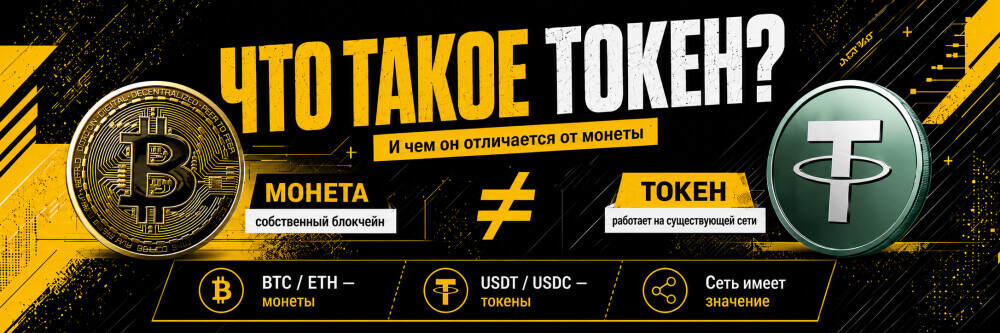


С развитием криптовалют и технологий блокчейна всё больше пользователей сталкиваются с термином «токен». Но что такое токен (token) в криптовалюте? Токен — это единица цифрового актива, которая представляет ценность или права, закреплённые за его владельцем, и функционирует на основе блокчейна. В отличие от монет, таких как биткоин или эфириум, которые работают на собственных блокчейнах, токены создаются на уже существующих блокчейнах (чаще всего на Ethereum) и могут выполнять различные функции.
Токены — это важная часть экосистемы блокчейна, и понимание их природы поможет вам лучше ориентироваться в мире криптовалют. Для тех, кто использует платформу E-change, знание о токенах полезно при обмене цифровых активов, так как тип и функциональность токенов могут влиять на стоимость транзакций.
Токены простыми словами: чем они отличаются от монет?
Когда речь идёт о блокчейне, важно понимать, чем отличается токен от монеты. Монета, такая как BTC или ETH, работает на собственном блокчейне. Токены, наоборот, выпускаются на сторонних блокчейнах и чаще всего являются цифровыми представлениями активов или прав. Монеты используются для операций в рамках собственных блокчейнов и часто выполняют функции платёжных средств, а токены обладают более гибкой функциональностью и могут применяться для множества других целей.
Что такое токен простыми словами? Токен — это своего рода цифровой сертификат, который закрепляет за пользователем определённые права или предоставляет доступ к услугам и продуктам, связанным с блокчейн-проектом.
Виды токенов
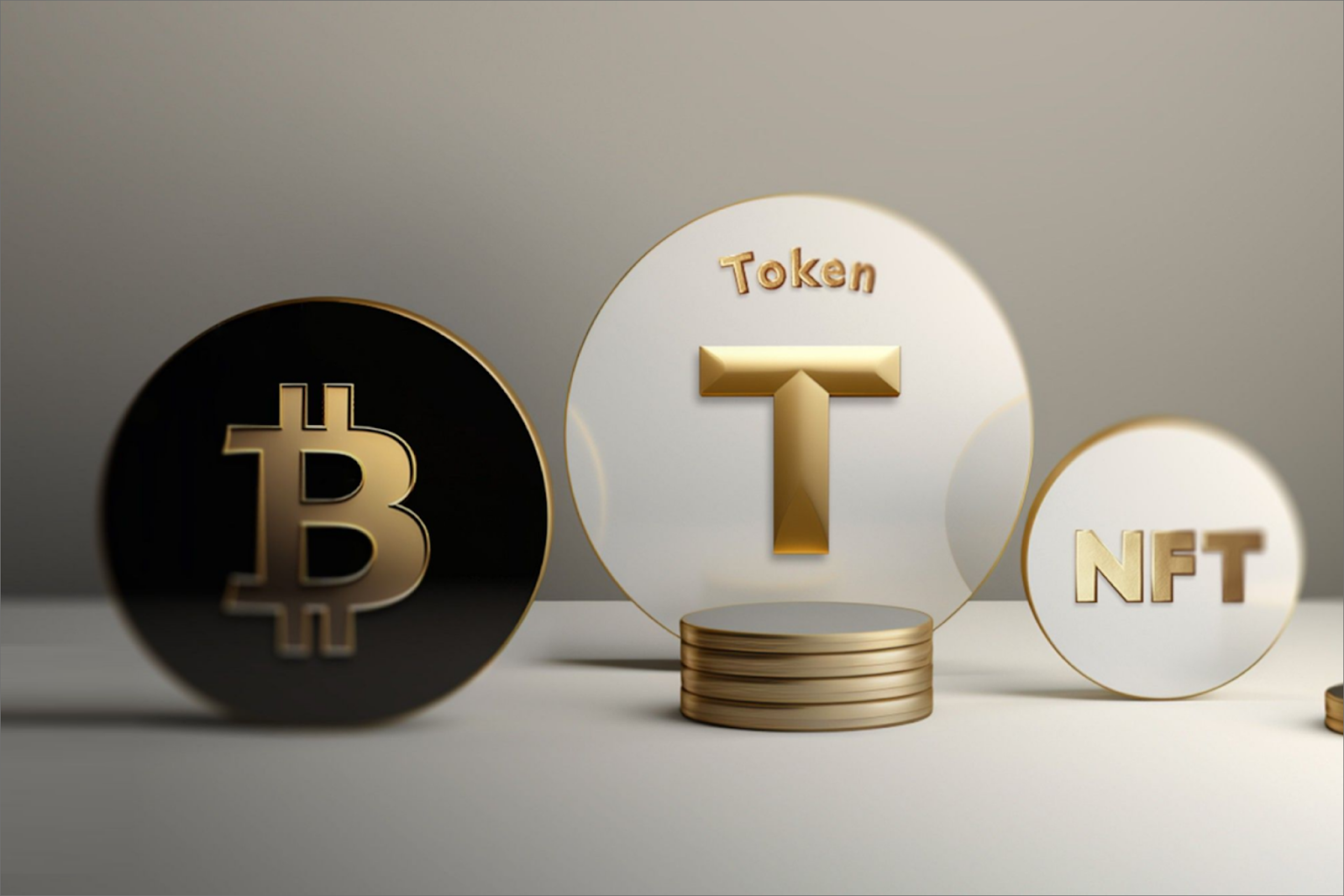
Существует несколько основных типов токенов, которые выполняют разные задачи в блокчейн-экосистеме:
- Utility-токены. Эти токены предоставляют доступ к продуктам или услугам платформы. Например, в случае с проектами на базе Ethereum такие токены дают право на использование функций платформы.
- Security-токены. Они представляют собой цифровую форму ценных бумаг и могут давать право на получение доли прибыли, дивидендов или активов. Security-токены требуют соблюдения строгих регуляторных норм.
- Stablecoins. Это токены, которые привязаны к стоимости реальных активов, таких как доллар или золото. Примеры включают USDT и USDC. Эти токены снижают волатильность и чаще всего используются для хранения стоимости и обмена.
- NFT-токены (невзаимозаменяемые токены). Это уникальные токены, каждый из которых имеет своё значение и характеристики. NFT применяются в цифровом искусстве, играх и коллекционировании.
Для чего нужен токен?
Для чего нужен токен? Токены могут выполнять различные функции в зависимости от задач проекта. Они могут быть использованы для оплаты услуг, хранения данных, участия в голосованиях и многого другого. Например, utility-токены предоставляют доступ к продуктам и услугам, в то время как security-токены могут представлять собой инвестиции в проект с возможностью получения прибыли.
На платформе E-change пользователи могут обменивать различные типы токенов, что открывает широкие возможности для использования этих цифровых активов. Знание назначения и функций токенов помогает выбрать оптимальные решения для обмена и хранения.
Сколько стоит один токен в рублях?
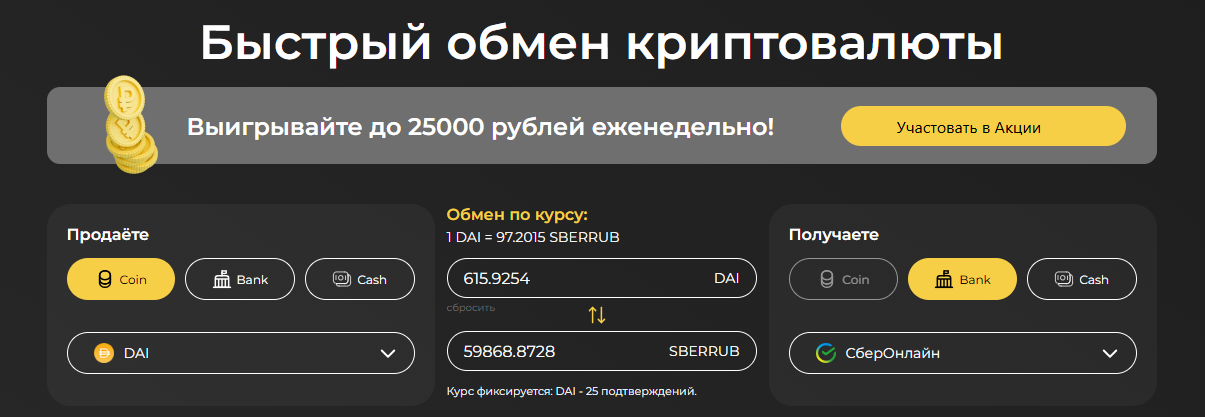
Сколько стоит один токен в рублях — это вопрос, который зависит от множества факторов. Стоимость токена определяется спросом и предложением на рынке, а также функциональностью и значимостью проекта. Цена токенов может значительно варьироваться: от нескольких рублей до тысяч или даже миллионов рублей, если речь идёт об уникальных NFT.
На платформе E-change вы можете легко отслеживать стоимость токена в реальном времени и проводить обмен токенов на рубли или другую криптовалюту. Для этого достаточно выбрать нужный токен и просмотреть его актуальный курс на платформе.
Как работают токены в блокчейне?
Основное предназначение токенов — это выполнение операций в сети блокчейн. Когда пользователь отправляет токен, транзакция записывается в блокчейн, а узлы сети подтверждают её и добавляют в блок. В случае платформы Ethereum, например, каждый токен функционирует на базе смарт-контрактов, которые автоматически выполняют условия транзакций.
Каждый токен в сети блокчейн имеет свой уникальный идентификатор, что позволяет точно отслеживать его перемещение и принадлежность. Пользователи могут передавать токены друг другу, обменивать их на платформе E-change или использовать для доступа к услугам и функциям различных блокчейн-проектов.
Стоимость токена и факторы, влияющие на неё
Стоимость токена может быть крайне волатильной, поскольку зависит от множества факторов. Основные из них включают:
- Популярность и функциональность проекта. Чем выше востребованность проекта, тем больше спрос на его токены.
- Объём предложения. Ограниченное предложение токенов может повысить их стоимость, тогда как высокий объём выпуска, наоборот, снижает цену.
- Колебания на рынке. Общие колебания криптовалютного рынка влияют на все токены, так как спрос и предложение могут меняться в зависимости от настроений инвесторов.
Знание факторов, влияющих на стоимость, может помочь пользователям E-change принимать более обоснованные решения при обмене токенов.
Заключение
Теперь вы знаете, что такое токен в криптовалюте и как он работает в блокчейне. Понимание того, для чего нужен токен и чем отличается токен от монеты, позволяет пользователям лучше разбираться в цифровых активах и эффективно управлять своими средствами. На платформе E-change можно удобно обменять токены на рубли, следя за их текущей стоимостью и изменениями на рынке.
