Что такое хешрейт?
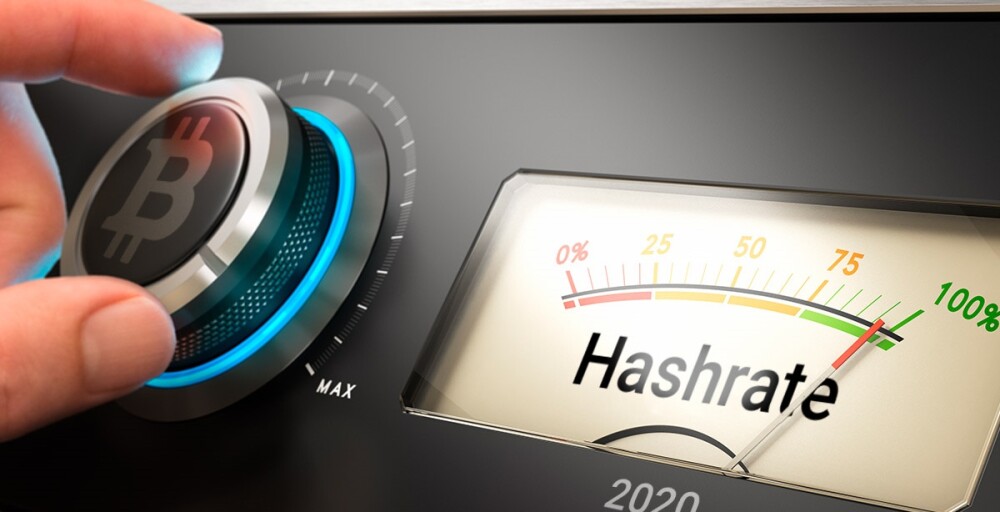


Хешрейт — это один из ключевых показателей, который часто используется в контексте майнинга и работы блокчейна. В этой статье мы разберём, что значит хешрейт, а точнее, что такое хешрейт в криптовалюте. От чего он зависит, как измеряется и какое значение имеет для майнинга и безопасности сети. Также рассмотрим, почему падает хешрейт и в чём разница между высоким и низким его значением.
Что такое хешрейт в майнинге простыми словами?
Это скорость, с которой майнинговое оборудование решает задачи для нахождения нового блока. Чем выше хешрейт, тем больше шансов у майнера найти правильный хэш и получить награду. Это ключевой параметр, определяющий производительность устройств и успешность майнинга.
Допустим, хешрейт биткоина — что это? Это показатель вычислительной мощности, которая используется для майнинга в сети биткоина. Он показывает, сколько криптографических операций (хэшей) выполняется всеми майнерами сети за одну секунду. Что означает хешрейт? Это метрика, которая напрямую влияет на скорость создания новых блоков и устойчивость блокчейна к атакам.
В чём измеряется хешрейт?
Он выражается в хэшах в секунду (H/s), что показывает количество вычислений, выполненных за одну секунду. Для удобства используют кратные единицы:
- килохэши (KH/s) — тысячи хэшей,
- мегахэши (MH/s) — миллионы,
- гигахэши (GH/s) — миллиарды,
- терахэши (TH/s) — триллионы,
- петахэши (PH/s) — квадриллионы.
Для крупных сетей, таких как биткоин, значение хешрейта измеряется в экзахэшах (EH/s), что соответствует квинтиллионам хэшей в секунду.
Что такое хешрейт пула?
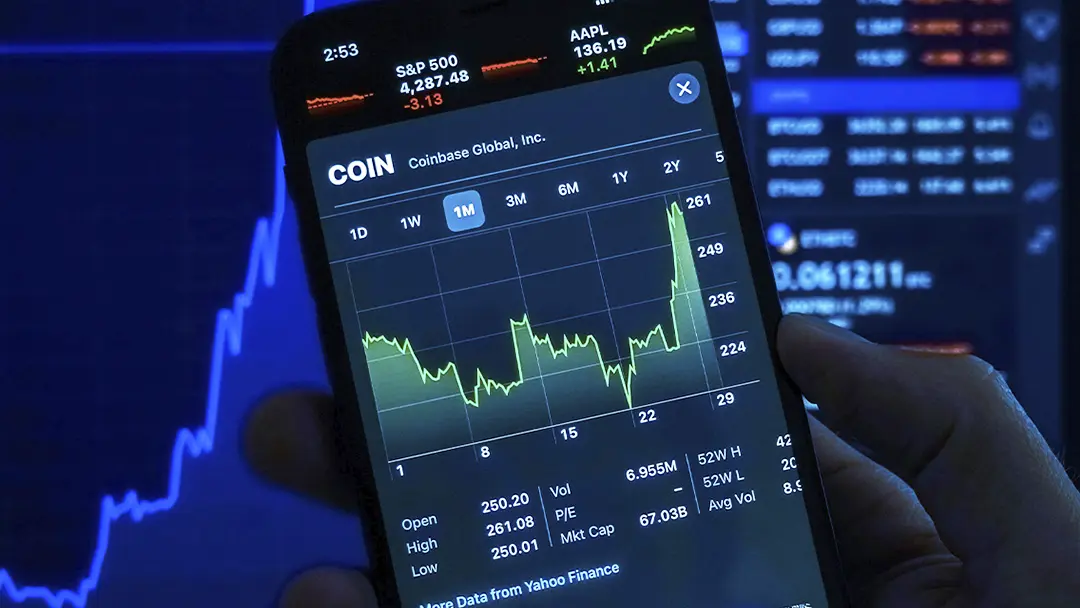
Что такое хешрейт пула? Это совокупная вычислительная мощность всех устройств, подключённых к майнинговому пулу. Пул объединяет майнеров, чтобы совместно искать решения для блоков. Участники получают вознаграждение пропорционально их вкладу в общий хешрейт пула.
Что такое сетевой хешрейт?
Это общий показатель мощности всей сети блокчейна. Например, в сети биткоина сетевой хешрейт отражает совокупную производительность всех майнеров. Чем выше сетевой хешрейт, тем сложнее атаковать сеть и дольше занимает поиск новых блоков.
От чего зависит хешрейт?
На этот показатель влияют несколько факторов:
- Мощность оборудования. Современные ASIC-майнеры имеют высокий хешрейт, который значительно превосходит возможности видеокарт или процессоров.
- Сложность сети. Чем выше сложность, тем больше вычислений нужно для нахождения блока, что требует повышения хешрейта.
- Курс криптовалюты. Высокий курс стимулирует подключение новых майнеров, увеличивая сетевой хешрейт.
- Энергозатраты. Низкие затраты на электроэнергию позволяют майнерам дольше работать даже при увеличении сложности.
Низкий и высокий хешрейт
Низкий хешрейт указывает на уменьшение числа активных майнеров. Это может быть вызвано снижением стоимости криптовалюты, ростом сложности сети или дорогой электроэнергией. Низкий хешрейт снижает безопасность блокчейна, делая его более уязвимым для атак.
Высокий хешрейт означает активное участие майнеров в сети. Это повышает устойчивость блокчейна и ускоряет обработку транзакций. Например, стабильный высокий хешрейт биткоина делает его сеть одной из самых защищённых.
Почему падает хешрейт?
Основные причины включают:
- Снижение курса криптовалюты. Если добыча становится менее прибыльной, майнеры отключают оборудование.
- Рост сложности. Устаревшие устройства не могут справляться с увеличивающейся нагрузкой.
- Регуляторные ограничения. Запреты на майнинг в некоторых странах вынуждают фермы прекращать работу.
- Сезонные колебания. Например, в странах с дешёвой гидроэнергией хешрейт падает в засушливые периоды.
Как узнать хешрейт?
Это можно сделать несколькими способами:
- Для сетевого хешрейта: использовать сайты, такие как Blockchain.com, которые показывают текущую мощность сети.
- Для пула: проверить статистику в личном кабинете майнингового пула.
- Для оборудования: использовать встроенное ПО или специализированные программы мониторинга.
Хешрейт и криптообменники
Уровень хешрейта влияет на устойчивость сети и курс криптовалюты. Например, стабильный хешрейт биткоина создаёт доверие к сети и поддерживает её безопасность. После майнинга вы можете использовать сервис E-change для обмена добытых монет (которые предоставлены на сайте для обмена) на рубли или другие активы, чтобы управлять криптовалютой эффективно.
Заключение
Так что же такое хешрейт? Это важнейший показатель, который отражает мощность и эффективность работы блокчейна, а также уровень его безопасности. Хешрейт влияет на стабильность сети, её защиту от атак и скорость обработки транзакций. Изменения уровня хешрейта могут указывать на динамику в экосистеме криптовалют и стать индикатором для майнеров и пользователей.
Понимание роли хешрейта позволяет лучше ориентироваться в мире цифровых активов, принимать обоснованные решения при майнинге или работе с криптовалютами, включая их обмен через сервисы, такие как E-change, которые делают управление активами удобным и безопасным.
Читайте новости о рынке криптовалют на E-change, чтобы всегда быть в теме актуальных событий.
