Что создание стратегического криптовалютного резерва Трампом означает для будущего криптовалют
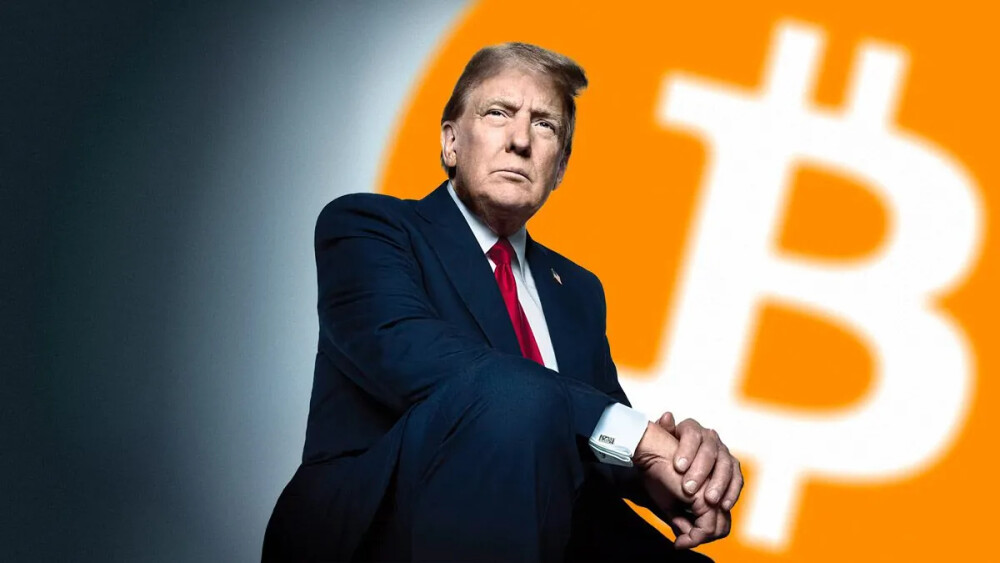


Что означает стратегический криптовалютный резерв Трампа для будущего криптовалют: глобальные последствия, финансовые перспективы и новая эпоха инвестиций
Новость о том, что Трамп анонсировал криптовалютный резерв, моментально распространилась по всем уголкам медиапространства и взбудоражила не только экспертов, но и рядовых пользователей. Почему этот шаг так важен и может ли он действительно повлиять на будущее криптовалюты? Ведь еще несколько лет назад о подобных инициативах на государственном уровне говорить было слишком смело. Теперь же создание криптовалютного резерва рассматривается как стратегически важный процесс не только в США, но и во многих других странах.
В этой статье мы разберемся, зачем нужен подобный резерв, что войдет в криптовалютный резерв США, какие выгоды и риски это несет, а также почему в последнее время заговорили про китай крипторезерв и стратегический резерв биткоина. Тема горячая и актуальная для всего криптосообщества, поскольку любые глобальные инициативы, связанные с цифровыми активами, задают тон развитию всего рынка. Также затронем роль популярного обменника E-change, где уже сейчас можно выгодно приобрести или продать криптовалюту за рубли, гривны, доллары и евро (но, обратите внимание, обмен криптовалюты на криптовалюту не производится).
Зачем нужен криптовалютный резерв и почему США делает на него ставку
Когда мы слышим словосочетание «стратегический резерв», прежде всего на ум приходят золотые и нефтяные запасы государств. Сегодня эти понятия расширяются и включают такие цифровые активы, как биткоин и другие криптовалюты. Правительства начинают осознавать, что за новыми технологиями стоит реальное будущее, а экономические модели в мире стремительно меняются.
Трамп анонсировал криптовалютный резерв, чтобы продемонстрировать стремление США оставаться в лидирующей позиции не только в политическом и военном плане, но и в технологической и финансовой сферах. Создание подобного запаса цифровых активов позволяет государству:
- Страховать свою экономику от резких колебаний валют и непредвиденных кризисов.
- Влиять на глобальный крипторынок за счет крупных объемов биткоина или других монет.
- Привлекать внимание технологических компаний, стартапов и инвесторов к развитию блокчейн-проектов в США.
Помимо этого, что войдет в криптовалютный резерв США, пока не раскрывается детально, но эксперты сходятся во мнении, что основу могут составлять биткоин и эфир, а также другие крупные и стабильные на рынке цифровые активы. Некоторые специалисты отмечают, что возможна ставка на стейблкоины, регулируемые государственными органами.
Китайский фактор: гонка за крипторынок
Известно, что Поднебесная активно развивает собственные цифровые решения и уже не раз появлялась информация про китайcкий крипторезерв. Если США и Китай действительно входят в этап “криптовалютной гонки”, то на кону стоит глобальное лидерство в новой цифровой эре. Глава Белого дома стремится удержать статус ведущей державы в финансовом плане, а значит, создание криптовалютного резерва неизбежно приведет к еще большему росту конкуренции.
Многие аналитики предполагают, что Китай уже тестирует и готовит к широкому запуску цифровой юань, который поможет стране укрепить экономические позиции на международной арене. В сочетании с другими формами резервов это может стать серьезным вызовом США, ведь конкуренция, помимо рынка товаров и услуг, переходит в поле цифровых валют.
Стратегический резерв биткоина: реальность или PR?
Когда говорят о “стратегическом резерве”, чаще всего подразумевают биткоин, так как он остается самой популярной и емкой по капитализации криптовалютой. Несмотря на волатильность, именно биткоину обычно приписывают способность быть “цифровым золотом” — защитным активом, чья стоимость с годами только растет (не без спадов и взлетов, конечно же).
Однако у темы “стратегический резерв биткоина” есть и другая сторона. Не все власти пока готовы к тому, чтобы вкладывать значительные суммы в такой колеблющийся актив без четкой правовой базы. Критики отмечают высокую волатильность крипторынка, регулятивную неопределенность, а также хакерские атаки, связанные с криптосервисами. Тем не менее, если лидеры крупнейших экономик начнут официально признавать и формировать резервы в биткоине, это может стать переломным моментом, ускоряющим массовое принятие криптовалют во всем мире.
Последствия для рынка и трейдеров
Рост доверия к криптовалютам
Когда правительство крупной мировой державы создает криптовалютный резерв, это придает цифровым активам дополнительную легитимность. Обычные люди, ранее относившиеся к крипте с опаской, могут пересмотреть свою позицию. Приток новых пользователей, в свою очередь, повышает ликвидность и укрепляет рынок.
Резкое изменение курсов
Движения крупных сумм (особенно на новостях о государственных резервах) зачастую приводят к неожиданным скачкам и падениям на рынке. Крупные покупатели создают повышенный спрос, что может разогнать цены. Но есть и риск внезапных корректировок, если государство решит вывести значительную часть цифровых активов на рынок или вмешается регулятор.
Новые регулятивные меры
Масштабные государственные инициативы неизбежно ведут к более жестким правилам оборота криптовалют. Это может выражаться в дополнительном налоговом контроле, требованиях к идентификации пользователей и т.п.
Как изменить (или приумножить) свои активы на фоне глобальных изменений
Для тех, кто задумывается о том, чтобы занять место “в первом ряду” событий, связанных с будущим криптовалюты, важно выбирать надежные сервисы, где можно выгодно покупать и продавать цифровые активы.
Например, при обращении к E-change вы всегда можете:
- Обменять популярные криптовалюты (биткоин, эфир и другие) на рубли, гривны, доллары и евро.
- Приобрести криптовалюту за фиатные деньги.
- Избежать сложностей с комиссионными сборами (достаточно прозрачно все указано на сайте).
Обратите внимание, что мы не обмениваем криптовалюту на криптовалюту, а работаем только в направлении “крипто-фиат” и “фиат-крипто”. Это упрощает процесс для новичков и тех, кто хочет быстро конвертировать заработанные средства в привычную валюту или наоборот.
Будущее криптовалюты: что нас ждет
Попытки ответить на вопрос о будущем криптовалют предполагают множество сценариев — от практически полного запрета (чего уже мало кто ждет после массового признания биткоина) до тотального доминирования цифровых денег в повседневной жизни. Вероятнее всего, реальность будет где-то посередине: традиционные фиатные системы продолжат сосуществовать с новыми цифровыми формами, причем правительства будут искать баланс между контролем и инновациями.
Заключение
Создание криптовалютного резерва в США — это серьезный шаг на пути к глобальному принятию и регуляции цифровых активов. Если крупнейшие экономики мира, в том числе США и Китай, вступают в фазу активной конкуренции в сфере криптовалют, то, вероятнее всего, нас ждет весьма динамичное развитие рынка. Вопрос о том, что войдет в криптовалютный резерв США и станет ли туда включен стратегический резерв биткоина, пока остается открытым, но тенденция уже очевидна.
Имея базовое понимание движущих сил криптовалютного сектора и пользуясь надежными обменниками для приобретения и продажи криптовалюты, можно не только сохранить, но и приумножить свой капитал. Главное — вовремя отслеживать новости о рынке криптовалют и не упускать потенциальные возможности роста, которые открываются перед современными инвесторами и трейдерами.
