Что такое фронтраннинг в криптовалюте и как с ним борются?


Что такое фронтраннинг в криптовалюте и почему о нём важно знать каждому, кто инвестирует или торгует?
Фронтраннинг — одна из ключевых проблем на децентрализованных площадках (DEX) и некоторых централизованных биржах, вызывающая повышенный интерес как у опытных трейдеров, так и у новичков в сфере криптоинвестиций. Если вы когда-нибудь задумывались, «фронтраннинг на бирже что это?» или «что такое фронтраннинг и насколько он опасен?», то эта статья поможет разобраться в теме и понять, как инвесторам и трейдерам защититься от подобных манипуляций.
Фронтраннинг на бирже: что это такое и в чём суть проблемы
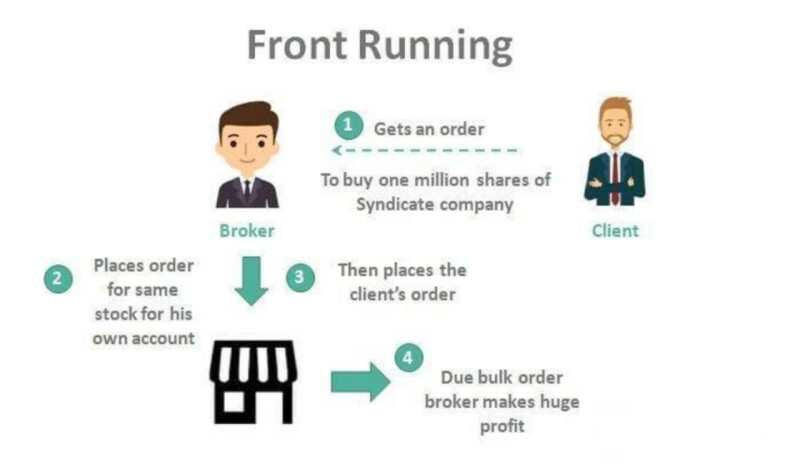
Суть фронтраннинга (front-running) в криптовалюте связана с тем, что некие участники рынка (или специальные программы — торговый бот в крипте) получают ранний доступ к информации о будущих сделках и используют её в своих интересах. Представьте, что вы собираетесь купить определённую криптовалюту на крупную сумму. Если злоумышленник «увидел» ваш ордер раньше других, он может самостоятельно открыть позицию чуть раньше вас (front-run), а затем продать свой актив по более высокой цене, зная, что ваш большой ордер поднимет курс. В итоге вы платите дороже, а злоумышленник получает быструю прибыль.
Почему это возможно? В некоторых случаях подобные атаки происходят из-за технических особенностей бирж, где заявки видны до их исполнения или проходят определённое время в очереди. В децентрализованных сетях злоумышленники следят за мемпулом (очередью неподтверждённых транзакций) и пытаются «перехватить» вашу сделку, выставляя комиссию чуть выше, чтобы майнер/валидатор обработал их заявку первее.
Что такое арбитраж в криптовалюте и почему его часто путают с фронтраннингом
Что такое арбитраж в криптовалюте? Арбитраж предполагает поиск и использование разницы в цене одного и того же актива на разных площадках. Трейдеры покупают криптовалюту на одной бирже дешевле и тут же продают на другой дороже, зарабатывая на разнице курсов. Многие задаются вопросом, «арбитраж в криптовалюте законно?» и «арбитраж криптовалюты законно ли в россии?». В большинстве стран, в том числе и в России, подобная деятельность не нарушает закон, поскольку арбитраж — это классический способ извлечения прибыли из ценовых неэффективностей рынка.
При этом, если вы хотите разобраться, «как заработать в арбитраже криптовалюты», важно понимать, что арбитраж — это не фронтраннинг. Арбитраж не предполагает «подглядывания» в чужие ордера заранее. Он основан на мониторинге бирж, поиске ценовых разрывов и моментальном совершении сделок. Фронтраннинг же скорее похож на инсайдерскую торговлю, так как опирается на доступ к чужим ордерам раньше времени.
Сэндвич атаки: когда трейдер оказывается «в середине»
В сфере DeFi и на децентрализованных биржах зачастую можно услышать термин «сэндвич атаки» или «сэндвич атака в крипте». Название говорит само за себя: злоумышленник «окружает» вашу сделку двумя своими ордерами. Как это работает?
- Вы решили купить определённую криптовалюту.
- Злоумышленник увидел ваш ордер в мемпуле и выставил заявку на покупку (фронтраннинг) раньше вас, подняв цену.
- После исполнения вашей покупки по уже повышенному курсу, злоумышленник тут же продаёт свой актив (бэкраннинг), фиксируя прибыль.
Таким образом ваш ордер «зажат» между их двумя операциями, словно начинка в сэндвиче.
Алгоритмическая торговля и торговый бот в крипте: как эти инструменты связаны с фронтраннингом
Сегодня всё чаще встречается алгоритмическая торговля криптовалютой: трейдеры пользуются ботами, которые автоматически совершают сделки по заданным алгоритмам. Иногда такие боты могут быть настроены на поиск и использование возможности фронтраннинга. Более того, некоторые злоумышленники специально разрабатывают сложные программы, которые мониторят блокчейн в режиме реального времени, выискивая выгодные условия для подстановки своих сделок до или после определённых транзакций.
Конечно, торговые боты могут работать и в законных целях. Например, помогать трейдеру зарабатывать на арбитраже без нарушения правил. Но при этом важно учитывать, какие именно алгоритмы заложены в программу.
Как с ним борются: технические и этические аспекты
- Протоколы, скрывающие транзакции. Некоторые проекты стремятся решить проблему фронтраннинга, внедряя механизмы приватности. Например, используют временную задержку публикации ордера, чтобы его нельзя было «подсмотреть» до фактического выполнения.
- Механизмы аукциона в блокчейне. Чтобы сэндвич атака в крипте была невозможна, в некоторых сетях разрабатывают системы аукционов, где майнеры обязаны принимать транзакции в порядке поступления, не завышая приоритет за счёт более высокой комиссии.
- Запрет/регулирование практики фронтраннинга на централизованных биржах. Биржи также внедряют правила, ограничивающие доступ к потоку ордеров. За выявленные факты злоупотреблений трейдеры или брокеры могут получать блокировки и штрафы.
- Осознанность трейдеров. Регулярный мониторинг мемпула, использование приватных релэев или специализированных кошельков для обмена может значительно снизить риск попасть в ловушку.
Как E-change помогает безопасно обменивать криптовалюту на фиат и обратно
Если вы беспокоитесь о сохранности своих средств и хотите пользоваться только надёжными сервисами, обратите внимание на E-change. Здесь можно быстро и безопасно обменять криптовалюту на деньги, а также купить криптовалюту за рубли или другую фиатную валюту. При этом обмена “крипта на крипту” в сервисе не предусмотрено.
Зачем это нужно? В ситуациях, когда трейдеры хотят зафиксировать прибыль или, наоборот, воспользоваться благоприятным моментом для входа в рынок, удобнее всего совершать сделки в парах «крипта–фиат». Так вы не рискуете лишний раз столкнуться с недобросовестными схемами, характерными для торговли криптовалютами на некоторых биржах.
Итоги и актуальность темы
Фронтраннинг остаётся существенной проблемой для отрасли, особенно в среде децентрализованных бирж. Данный механизм порождает сомнения в честности торгов и безопасности трейдеров. При этом арбитраж — это абсолютно другой инструмент, не связанный с получением нечестного преимущества, и ответ на вопрос «арбитраж криптовалюты законно ли в россии?» однозначно положительный: никаких прямых ограничений на этот вид деятельности пока нет.
Чтобы быть в курсе актуальных событий и трендов крипторынка, заглядывайте в новости о рынке криптовалют. И не забывайте пользоваться проверенными сервисами, такими как E-change, чтобы безопасно обменять свои цифровые активы на фиат и наоборот. Будьте бдительны, изучайте рынок и защищайтесь от манипуляций: знание — лучший инструмент в борьбе с фронтраннингом и любыми формами недобросовестной торговли.
