Как работает алгоритм консенсуса в блокчейне? (PoW, PoS, DPoS и другие)
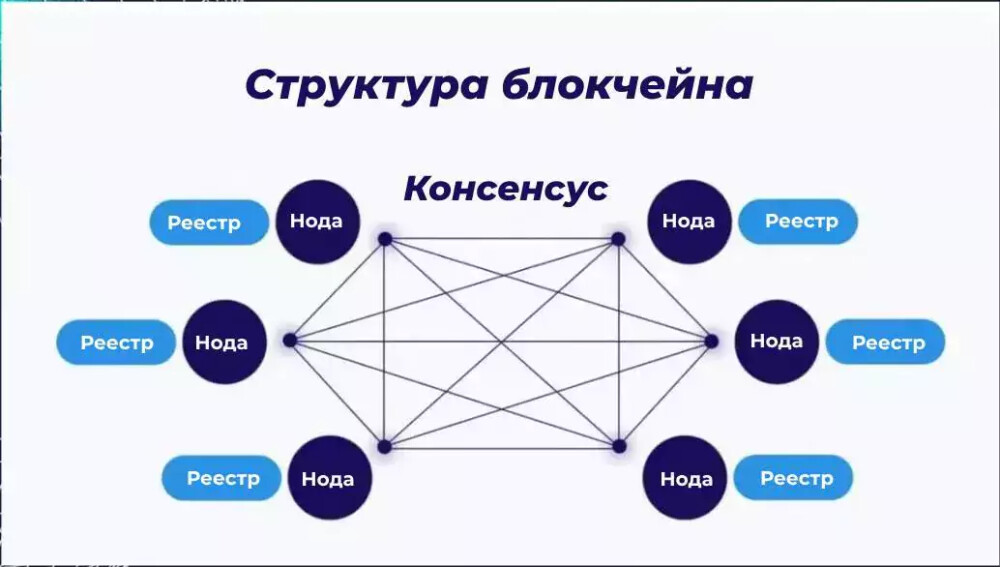


Развитие блокчейна тесно связано с тем, что такое консенсус в блокчейне и почему он важен. При слове “блокчейн” часто представляют себе лишь последовательную цепочку блоков с данными о транзакциях. Но редко кто задумывается, каким образом узлы (компьютеры, серверы и т.д.) в распределённой сети “договариваются” между собой, чтобы подтвердить каждую транзакцию. Такую “договорённость” и называют механизмом консенсуса. Если вы хотите разобраться в механизмы консенсуса в блокчейне более глубоко, а также понять, какой алгоритм консенсуса используется в блокчейне Bitcoin, то эта статья для вас.
В России криптовалюта с каждым годом набирает всё большую популярность, и многие пользователи хотят не только инвестировать в цифровые активы, но и обменивать их на рубли или доллары. Платформа E-change даёт такую возможность, причём вы можете и купить криптовалюту за фиат, и продать её, получив деньги. Важно отметить, что на сайте нельзя менять одну криптовалюту на другую: только крипта ↔ деньги.
Ниже мы подробно рассмотрим виды консенсуса в блокчейне — от классического Proof of Work до современных вариаций наподобие Proof of Stake и delegated proof of stake DPoS.
Что такое консенсус в блокчейне
Что такое консенсус в блокчейне? Само слово “консенсус” указывает на согласие всех участников сети касательно достоверности данных. В обычных централизованных системах роль “арбитра” несёт сервер или банк, который подтверждает все операции. В блокчейне же нет центра, поэтому необходимо, чтобы все узлы сети следовали одним правилам.
Алгоритмы консенсуса в блокчейне работают по принципу сопоставления: каждый участник сети проверяет транзакции и “голосует” за правильность записи. Если большинство узлов согласно с данной версией цепочки блоков, то новая информация добавляется в реестр. Так система сохраняет целостность и устойчивость, а взлом или подделка записей становятся практически невозможными.
Виды консенсуса в блокчейне
Прежде всего, стоит упомянуть, что существует несколько популярных алгоритмов, которые задают правила “договорённости”:
- Proof of Work (PoW)
- Proof of Stake (PoS)
- Delegated Proof of Stake (DPoS)
- Менее распространённые протоколы (Proof of Authority, Practical Byzantine Fault Tolerance и т.д.)
Все они отличаются между собой способами проверки и подтверждения новых блоков. Какие-то полагаются на вычислительные мощности, а другие — на долю владения токенами. Давайте разберёмся подробнее.
Proof of Work блокчейн
Если вы когда-нибудь интересовались, какой алгоритм консенсуса используется в блокчейне bitcoin, ответ простой: это Proof of Work блокчейн, или сокращённо PoW. Данный механизм подразумевает, что майнеры тратят вычислительные ресурсы (мощность оборудования, электричество) на решение математических задач. Решение подтверждает, что майнер выполнил “работу”, и значит, он имеет право добавить новый блок транзакций.
Чтобы понять как работает технология блокчейна Proof of Work, представьте огромную сеть компьютеров, каждый из которых пытается первым найти верный “хеш” — результат сложной математической операции. Как только кто-то решает задачу, остальные узлы проверяют корректность решения, и блок добавляется в цепочку. В награду победивший майнер получает новую эмиссию монет плюс комиссию за транзакции в блоке.
Особенности алгоритм консенсуса биткоина
- Высокая надёжность и децентрализация: чем больше узлов, тем труднее атаковать систему.
- Большие энергозатраты: майнинг требует серьёзных ресурсов.
- Низкая скорость подтверждения транзакций при большом потоке операций, что делает сеть загруженной.
Proof of Stake (PoS): энергоэффективная альтернатива
Что такое PoW и PoS в контексте блокчейна? Если PoW делает ставку на вычислительную мощность, то PoS — на владение монетами. Вместо того чтобы рассчитывать сложные задачи, валидаторы “замораживают” часть своих токенов (stake) и подтверждают блоки, получая за это вознаграждение.
Главное преимущество PoS — более высокая пропускная способность сети и меньшие энергозатраты. Но сама модель построена на “доле владения”: чем больше монет у валидатора, тем выше его шансы создать новый блок. Это может привести к риску централизации, когда у крупных держателей появляется преимущество перед мелкими.
Delegated Proof of Stake (DPoS): доверяем выбранным представителям
Delegated Proof of Stake DPoS — это вариация PoS, где участники сети голосуют за делегатов (witnesses), которые и занимаются валидацией блоков. С одной стороны, этот метод повышает масштабируемость и скорость, ведь только ограниченный круг валидаторов проверяет новые блоки. С другой — если делегаты объединяются, растёт риск формирования “элитной” группы, которая может диктовать условия остальным.
DPoS активно используется в проектах типа EOS и BitShares. Участники системы могут переизбирать делегатов, если посчитают, что те злоупотребляют правами.
Как алгоритмы консенсуса влияют на обмен криптовалюты?
На первый взгляд может показаться, что алгоритмы консенсуса в блокчейне связаны исключительно с майнерами и не имеют отношения к простым пользователям. Однако не стоит недооценивать их роль:
- Скорость транзакций. В PoW сетях подтверждение может занять от нескольких минут до часа, в то время как PoS или DPoS обычно предоставляют более быстрое время подтверждения.
- Комиссии. В блокчейне PoW комиссионные расходы могут быть выше при перегрузке сети. В PoS- и DPoS-сетях комиссии могут оказаться ниже.
- Надёжность и безопасность. Классический PoW (используемый в Bitcoin) проверен временем. Новые варианты вроде PoS быстрее, но им ещё предстоит закрепить доверие мирового сообщества.
Для тех, кто регулярно покупает и продаёт криптовалюту, важно учитывать эти различия. Если в вашем приоритете скорость транзакций, обращайте внимание на монеты с более современными алгоритмами консенсуса. Если же вам важнее устойчивость и проверенный временем механизм, Bitcoin и другие PoW-системы выглядят привлекательнее.
Где обменять криптовалюту?
Вопрос надёжного и простого обмена крипты на рубли или доллары продолжает оставаться актуальным. На платформе E-change вы можете провести все необходимые операции: купить цифровые активы за фиат или, наоборот, вывести криптовалюту в наличные деньги. При этом крипту на крипту мы не меняем — только пара “криптовалюта ↔ деньги”.
Если вы хотите быть в курсе последних событий индустрии и узнать новости о рынке криптовалют первым, заходите на новости о рынке криптовалют. Там вы найдёте обзоры курсов, последние законодательные инициативы и другие интересные обновления, связанные с цифровыми активами.
Заключение
Алгоритмы консенсуса — это “каркас” для блокчейн-систем: они отвечают за надёжность, устойчивость к атакам и прозрачность сети. Что такое PoW и PoS, в чём заключается delegated proof of stake DPoS и другие виды консенсуса в блокчейне — всё это ключевые темы для понимания того, как работает распределённая система без посредников.
Как работает технология блокчейна Proof of Work на примере биткоина, или чем отличается PoS — каждый механизм предлагает свой уникальный баланс между скоростью, безопасностью и децентрализацией. Особенности алгоритм консенсуса биткоина (PoW) позволяют поддерживать стабильность и доверие, пусть и с некоторыми издержками в виде высоких энергозатрат. PoS и DPoS более эко-дружественны и быстры, но иногда сталкиваются с критикой за возможную централизацию капитала или делегатов.
Как бы ни развивались блокчейн-технологии, выбор алгоритма консенсуса будет иметь прямое влияние на экономические модели проектов, их безопасность и функциональность. Для пользователей, которые хотят выгодно приобрести или продать криптовалюту за фиат, на первом месте стоит удобство и надёжность обмена. В этом вам поможет E-change.
Следите за актуальными трендами и узнавайте свежие новости о рынке криптовалют на E-change.
