Как работает рыночный ордер и лимитный ордер?
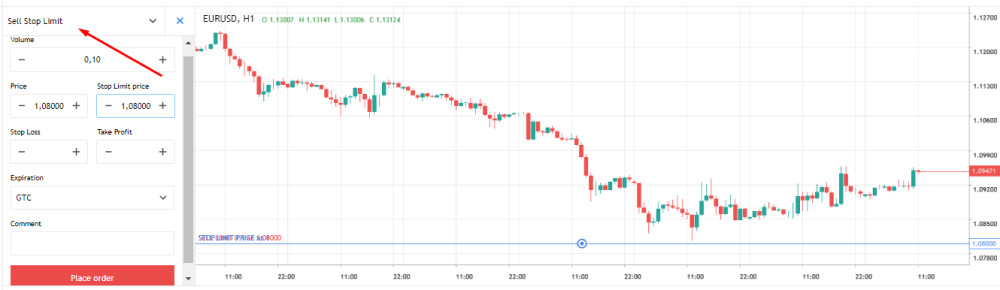


Рыночные и лимитные ордера — это неотъемлемая часть торговли на биржах, будь то криптовалюты, акции или другие инструменты. Если вы когда-нибудь задавались вопросом, что значит рыночный ордер, как выставлять лимитный ордер или как перейти со скользящего ордера на рыночный, то эта статья именно для вас. Мы разберём основы, чтобы вы могли уверенно торговать, понимать логику механизма исполнения и более грамотно управлять своими сделками.
Кстати, если вы хотите приобрести или продать криптовалюту за фиатные деньги (рубли, доллары и т.д.), можете воспользоваться платформой E-change. Там можно легко обменять крипту на деньги или наоборот, однако крипту на крипту сервис не меняет. Но прежде чем совершать сделки, давайте разберёмся, как именно работает рыночный ордер в трейдинге и чем он отличается от лимитного.
Что значит рыночный ордер
Чтобы определиться, рыночный ордер это лучший выбор или нет, нужно понять его сущность. Рыночный ордер (Market Order) — это команда брокеру или бирже исполнить сделку как можно быстрее по текущей рыночной цене. Здесь важна не столько итоговая стоимость, сколько скорость исполнения. Например, вы видите, что биткоин стремительно растёт и хотите купить “прямо сейчас” — тогда открываете рыночную сделку.
Особенности рыночного ордера:
- Исполняется немедленно по лучшей доступной цене на рынке.
- Вы не контролируете итоговую стоимость, потому что цена может измениться в долю секунды.
- Подходит для быстрого входа или выхода из позиции, когда нужно “не упустить момент”.
Лимитный ордер: инструмент для лучшей цены
В отличие от рыночной сделки, лимитный ордер позволяет задать конкретную цену, по которой вы хотите купить или продать актив. За счёт этого можно добиться более выгодного курса, но нет гарантии, что ваш ордер вообще исполнится, если рынок не достигнет указанного уровня.
Лимитный ордер:
- Вы задаёте цену покупки или продажи.
- Сделка исполняется только тогда, когда рынок достигает этой цены (или лучше).
- Можно пропустить сделку, если рынок пойдёт не туда, куда вы ожидали.
Если вы хотите «поймать» определённый уровень для входа или выхода, стоит разобраться, как поставить лимитный ордер. На большинстве площадок достаточно указать желаемую цену и объём. Например, лимитный ордер на продажу позволит вам выставить предложение о продаже по более высокой цене, а лимитный ордер на покупку — поймать более выгодный курс на пониженном рынке.
Лимитный и рыночный ордер: чем отличаются
Самый главный и очевидный момент — это контроль над ценой. Лимитный и рыночный ордер чем отличаются? Рыночный — быстрое исполнение без точной цены, лимитный — точная цена без гарантии быстроты. Как правило, трейдеры сочетают оба типа сделок для достижения разных целей. Для мгновенного входа используют рыночный ордер, а для «точечного» входа или выхода — лимитный.
Тейк-профит это лимитный или рыночный ордер?
На практике тейк-профит обычно реализуется как лимитная заявка: вы указываете цену, при достижении которой хотите зафиксировать прибыль. Как только рынок достигает заданного уровня, ваша сделка закрывается по лимитному ордеру.
Рыночный стоп ордер и другие разновидности
Помимо классических ордеров (market и limit), существуют более продвинутые варианты. Например, рыночный стоп ордер (Stop Market) срабатывает, когда цена доходит до определённой стоп-отметки, и после этого запускается рыночная сделка. Эта техника помогает ограничить убытки, если рынок идёт против вас.
Есть также лимитный ордер со следованием (Trailing Stop Limit), позволяющий «следовать» за рынком и закрывать позицию, если цена начинает падать (или расти в случае шорта). Существуют даже специальные инструменты, которые называют индикатор лимитных ордеров: они показывают, где сосредоточены основные позиции участников рынка (так называемая карта лимитных ордеров), помогая трейдерам увидеть, где есть крупные заявки.
Лимитные ордера на споте и их роль
На спотовом рынке (Spot) вы торгуете реальным активом: покупаете криптовалюту и получаете её на свой баланс. Лимитный ордер на споте — это классическая форма торговли, когда вы можете “поставить” сделку и ждать, пока цена придёт к вам. Если хотите знать, как более эффективно управлять лимитками, изучите «индикатор лимитных ордеров» на биржах, чтобы понимать, где находятся объёмы крупных участников.
Как перейти со скользящего ордера на рыночный
В некоторых системах под «скользящим ордером» (Sliding или Moving Order) подразумевают заявку, у которой цена «привязана» к какому-либо индикатору или меняется по заранее заданной формуле. Если вы хотите понять, как перейти со скользящего ордера на рыночный, зачастую достаточно отменить (или закрыть) скользящую заявку и выставить новую рыночную. При этом стоит учесть, что мгновенно позиция может исполниться по не самой выгодной цене, если рынок достаточно волатилен.
Как использовать лимитные и рыночные ордера в трейдинге
Возникает закономерный вопрос: как использовать лимитные и рыночные ордера наилучшим образом? Всё зависит от вашей стратегии:
- Скальпинг и активный трейдинг. Если вам нужно мгновенное исполнение, рыночный ордер в трейдинге будет удобнее, поскольку каждая секунда (или даже доля секунды) может влиять на результат.
- Средне- и долгосрочные инвестиции. Если вам важнее точная цена, используйте лимитные ордера. Так вы избежите неприятных сюрпризов, если внезапно случится резкий скачок.
- Комбинация методов. Некоторые трейдеры открывают позицию по рыночному ордеру, чтобы “не опоздать” на тренд, а затем выставляют лимитный ордер со следованием для фиксации прибыли или защиты капитала.
Главное — уметь балансировать между скоростью исполнения и выгодной ценой.
Где обменять криптовалюту в России?
Если вы торгуете на биржах, вам понадобится площадка для ввода-вывода фиатных денег. Обратите внимание на E-change — там вы можете быстро и безопасно обменять криптовалюту на деньги (и наоборот). Но учтите, что криптовалюту на криптовалюту сервис не меняет. В разделе новости о рынке криптовалют вы найдёте свежие обзоры, аналитику и изменения, происходящие на рынке.
Особенно важно следить за новостями, когда речь идёт о значимых изменениях в законодательстве или вводе новых инструментов на биржах. Информация о рынке помогает вам корректировать стратегию, вовремя выставлять лимитный ордер на покупку или лимитный ордер на продажу, а также понимать, когда лучше открыть рыночную сделку.
Заключение
Осознание того, лимитный и рыночный ордер чем отличаются, — это фундаментальный навык для любого трейдера или инвестора. С помощью рыночного ордера можно моментально войти в сделку, однако итоговая цена может быть чуть выше (или ниже) ожидаемой. Лимитный же ордер даёт преимущество контроля над ценой, но без гарантии быстрого исполнения.
Если вы задаёте себе вопросы наподобие «тейк профит это лимитный или рыночный ордер?» или «как поставить лимитный ордер эффективно?», то помните, что большинство стратегий основывается именно на умелом комбинировании обоих типов заявок. Крайне полезно также периодически изучать карта лимитных ордеров, чтобы видеть, где расположены крупные уровни спроса и предложения.
В целом, как использовать лимитные и рыночные ордера — это выбор, который зависит от вашей торговой системы, стиля и целей. Если вам нужно действовать молниеносно в волатильных рыночных условиях, рыночный ордер может быть оптимальным. Если же хочется “спланировать” цену входа или выхода, то без лимитных ордеров не обойтись. Многое решается опытом, тестированием стратегий и постоянным повышением финансовой грамотности.
В заключение, не забывайте о надёжных способах ввода и вывода денег из рынка, а также отслеживайте новости о рынке криптовалют, чтобы быть в курсе важных тенденций и принимать осмысленные решения. Удачных сделок и грамотного управления своими активами!
